The Sanjay Van forest, a lush expanse of greenery nestled in the heart of Delhi, has long been a haven for nature enthusiasts and wildlife lovers. In a remarkable endeavor, a collaborative effort between DDA and WWF-India recently initiated the Monsoon Biodiversity Project, marking the first of its kind in Sanjay Van. This project has set out to unveil the hidden treasures of this reserved forest, with the involvement of approximately 70 dedicated volunteers.
These volunteers mirrored the rich diversity of the forest itself! Ranging from college students to working professionals, each volunteer brought their own unique experiences and perspectives to this survey. Some are passionate about making conservation their career and thus made the most of the networking and learning opportunities presented by this survey, others joined out of sheer curiosity about this exciting new avenue, and some braved the monsoon rains simply for the joy of being of service to Mother Nature.
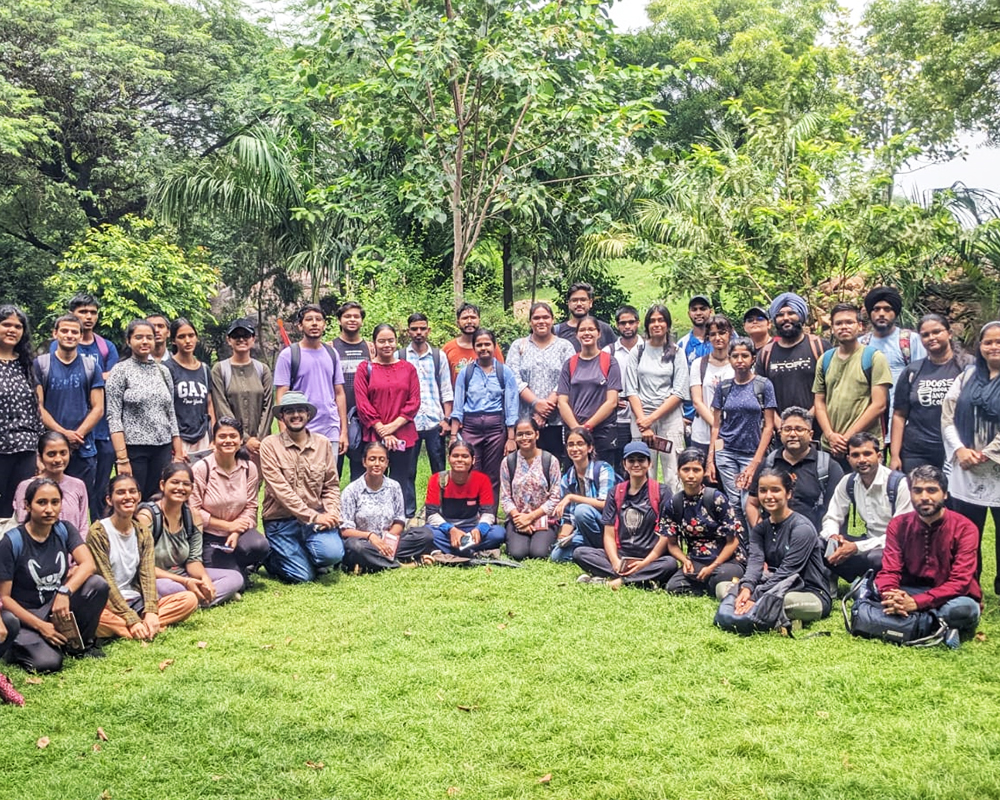 Time for a group picture after a day of meticulous survey
 The primary goal of the Monsoon Biodiversity Project is to create a comprehensive inventory of the species diversity that calls Sanjay Van home. The forest's incredible variety of flora and fauna holds numerous secrets waiting to be uncovered, and the project aims to shed light on the intricate associations between these species. By closely analyzing the interrelationships within the forest, the project seeks to reveal the biodiversity that exists within Sanjay Van, providing valuable insights for educational and conservation purposes.
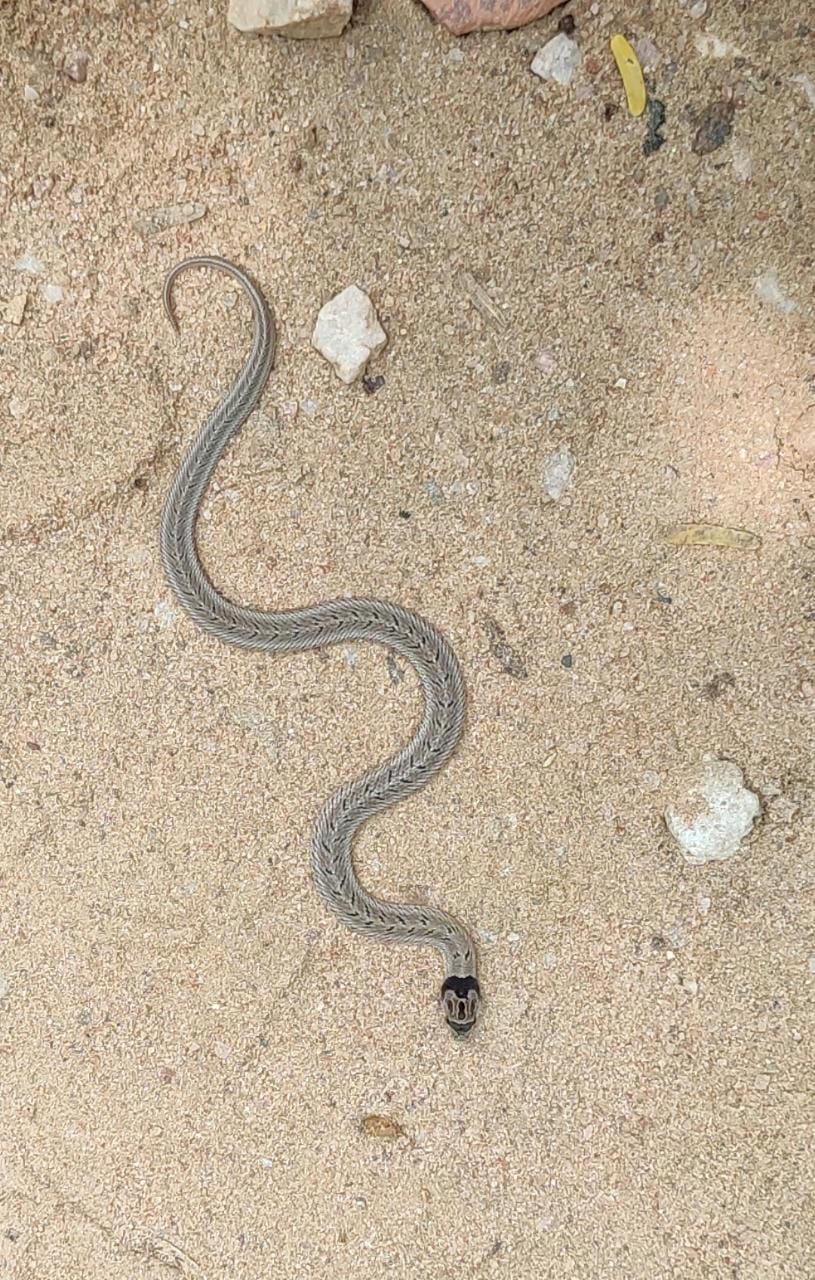 A stunning Streaked Kukri (Oligodon taeniolatus)!
 To achieve this, the forest was divided into 12 grids, and the dedicated volunteers were carefully assigned to their respective areas. Each volunteer played a crucial role in documenting the flora and fauna they encountered using a citizen application developed by WWF-India's Indira Gandhi Conservation Monitoring Centre-Geographic Information System (IGCMC-GIS) team. All observations were meticulously geotagged, allowing for precise location data.
The volunteers went beyond mere documentation; they also sought to understand the forest's complex web of interactions. They observed whether plants were being utilized by animals through signs or marks and noted the presence of parasites or climbers on trees. This holistic approach to data collection has the potential to unravel the intricate interconnections within the forest ecosystem.
The Monsoon Biodiversity Project made the most of the rainy season, conducting surveys twice a month from August to October 2023. The monsoon provided a unique opportunity to observe the rich diversity of fungi and the thriving insect population within Sanjay Van. These observations have been a significant contribution to our understanding of the forest's biodiversity.
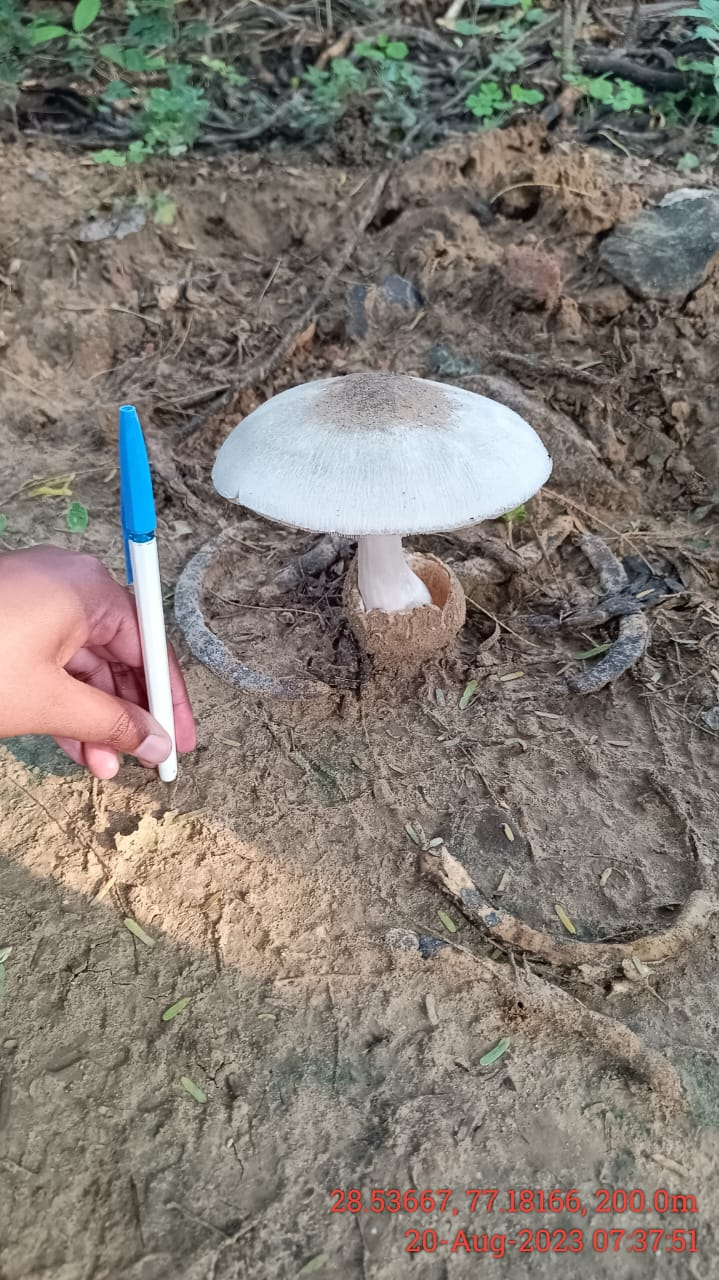 Death Cap (Aminata sp.) - What a humungous fungus!
 The outcomes of this project are truly remarkable. The data collected provides insights into the richness of species in the forest. It allows for a zone-wise distribution analysis, laying the foundation for baseline data on lesser-explored areas and species, such as fungi, spiders, grasses, and other lesser-known species. This data will be invaluable for future reference, as the project plans to make biodiversity surveys a recurring activity conducted in all seasons.
As we accumulate more data, we hope to analyze trends in species richness and biodiversity, allowing us to identify potential threats to the ecosystem. Armed with this knowledge, we can develop effective strategies for conservation, safeguarding the forest for future generations. The Monsoon Biodiversity Project represents a significant step forward in the conservation of Sanjay Van and is a testament to the power of citizen science in action.
The project's success would not have been possible without the dedication of the 70 WWF volunteers who wholeheartedly participated for such a cause.
Looking forward, the project has exciting plans for the winter season. The Winter Biodiversity Survey, scheduled to begin in January, promises new discoveries and insights into the forest's ecosystem. As we continue our journey of exploration, we eagerly anticipate what the colder months will reveal about Sanjay Van's biodiversity. This ongoing effort to monitor and study the forest in different seasons will provide a holistic view of its ecological dynamics.
For those who wish to be part of this exciting journey, the opportunity is open to all. You can join the ranks of WWF volunteers and participate in the Sanjay Van Project by visiting the WWF Volunteers website. The project welcomes nature lovers and conservation enthusiasts to come together and make a difference.
In conclusion, the Monsoon Biodiversity Project is a testament to the beauty and richness of the natural world hidden within the heart of Delhi. By engaging in scientific exploration and conservation efforts, we can ensure that Sanjay Van continues to flourish as a thriving ecosystem. With each survey and observation, we take a step closer to understanding, appreciating, and protecting the invaluable biodiversity of this urban forest.